Combatting Bias Together! A Reflection on our May Events
Written by Amber Zijlma

While we’re already busying ourselves with many events, conferences, and workshops happening in June and July, we also want to take some space for reflecting on an eventful month of May for the Combatting Bias project (a TDCC-SSH and NWO-funded project).
On 13 May, we organised our project workshop for our network of collaborators. This was one of the major expected outputs for our project, as a moment to showcase our work as well as collectively think about ways forward. Along with this workshop, as we hope to promote transparency and wider accessibility as crucial aspects of responsible research, we wanted to host a public event too. On 12 May, we therefore organised Uncovering Shared Yet Troubled Pasts, a presentation panel with Mandy Sanger, Jane Hooper, Lotte Baltussen, and chaired by Britt van Duijvenvoorde.
We were so pleased with how these events went – below, we’ll recap them and outline our takeaways for the future of this project.
12 May: Uncovering Shared Yet Troubled Pasts
This panel hosted three researchers and practitioners, Mandy Sanger, Jane Hooper, and Lotte Baltussen, chaired by Britt van Duijvenvoorde. Each of the speakers is working with projects and/or institutions that deal with ‘opening up’ (in the widest sense of the word) a troubled past, in different time periods and regions in the world. For more information about the event and speakers, see our blog post here.
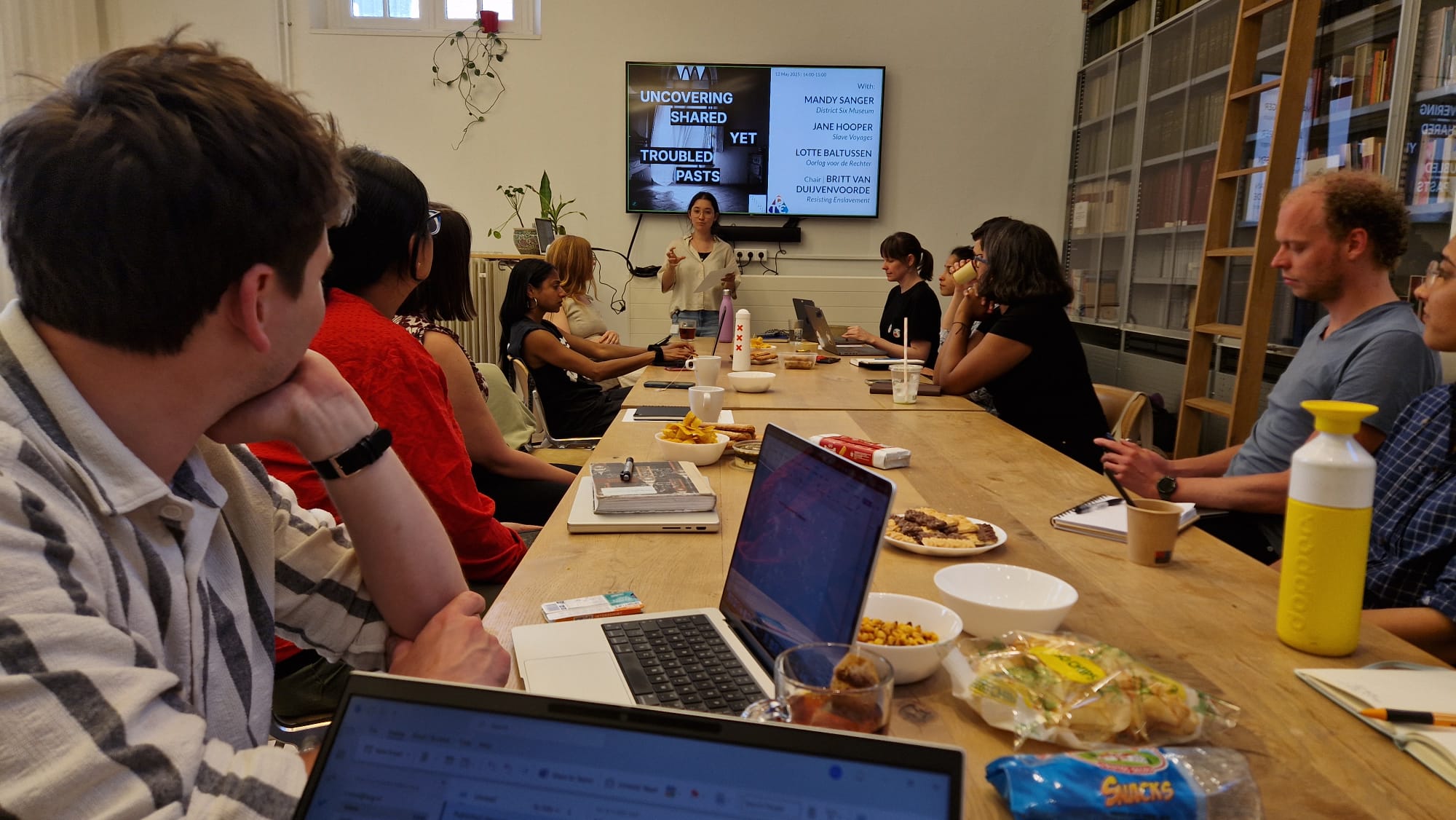
Amber introducing the panel presentation
Jane Hooper, working on the Slave Voyages project, spoke about the database’s expansion to include Indian Ocean voyages. She emphasised the need for new approaches when working with a new region: there are different cultural sensitivities with regards to descendancy from enslaved persons in the Atlantic versus the Indian Ocean region for example. It’s crucial to first understand what the impact of publishing new data will have on affected people’s lives – travelling to these regions, engaging with their archives and heritage, and speaking to researchers are a necessary part of this.
Similarly, presenting on Oorlog voor de Rechter, Lotte Baltussen found that much care should be taken when opening up an archive. Drawing from her experiences of mediating between different stakeholder groups and conducting user research, she has found that opening up a (historically) sensitive archive can certainly be done, if adequate contextualisation and explanations are provided. If an archive even opens up slightly without these crucial elements, the impact can be more harmful than remaining closed.
Mandy Sanger rounded the presentation panel off by introducing her work as Head of Education at the District Six Museum. As a museum that hosts and exhibits a living archive, Mandy emphasised the importance of centering the collective human experience, through her humanising pedagogy approach. For this, we need to create discursive spaces, in which people can speak openly about shared histories in the space of the history itself - the space forms a bridge between different languages people use to speak about experiences and knowledge.
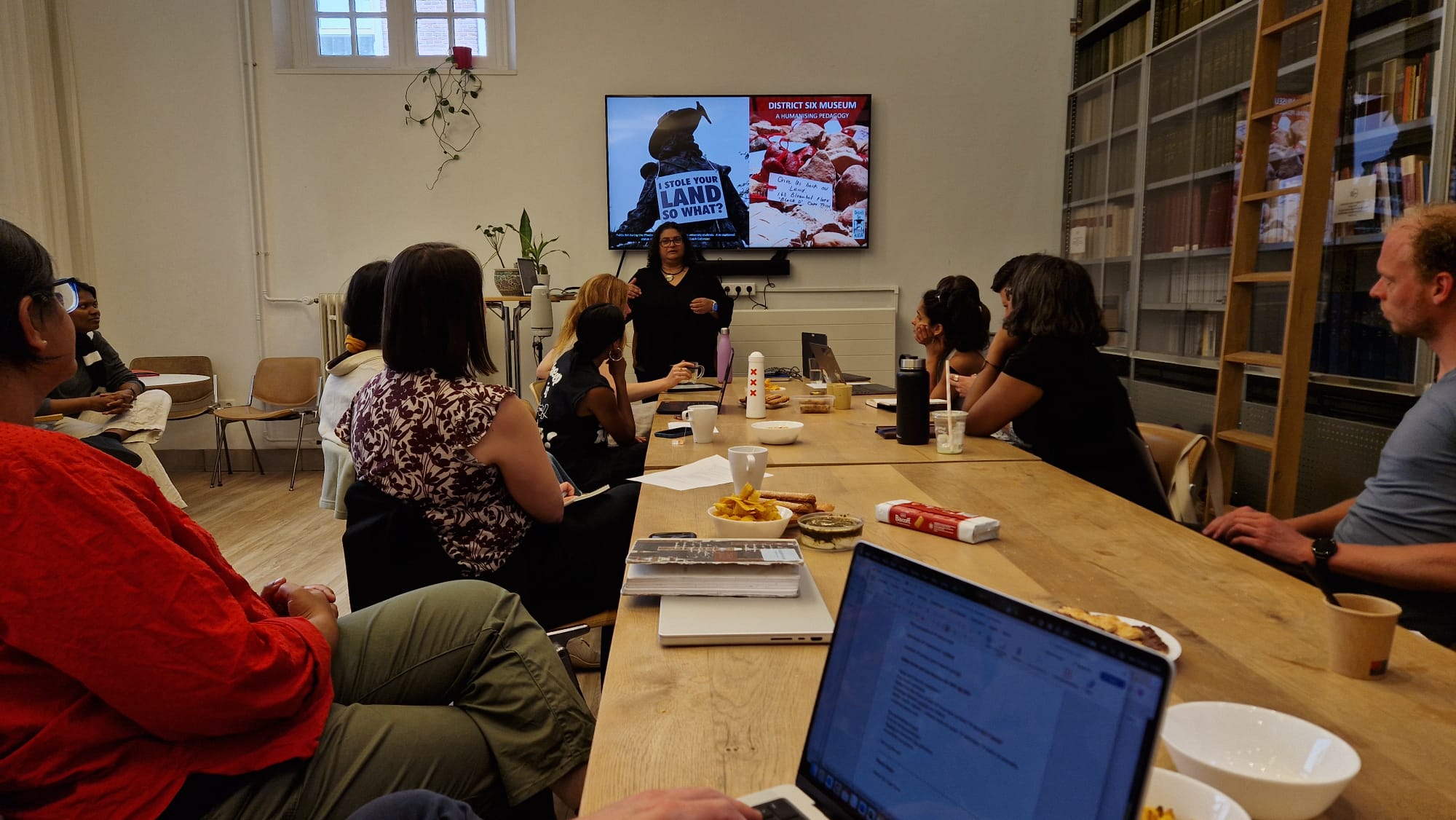
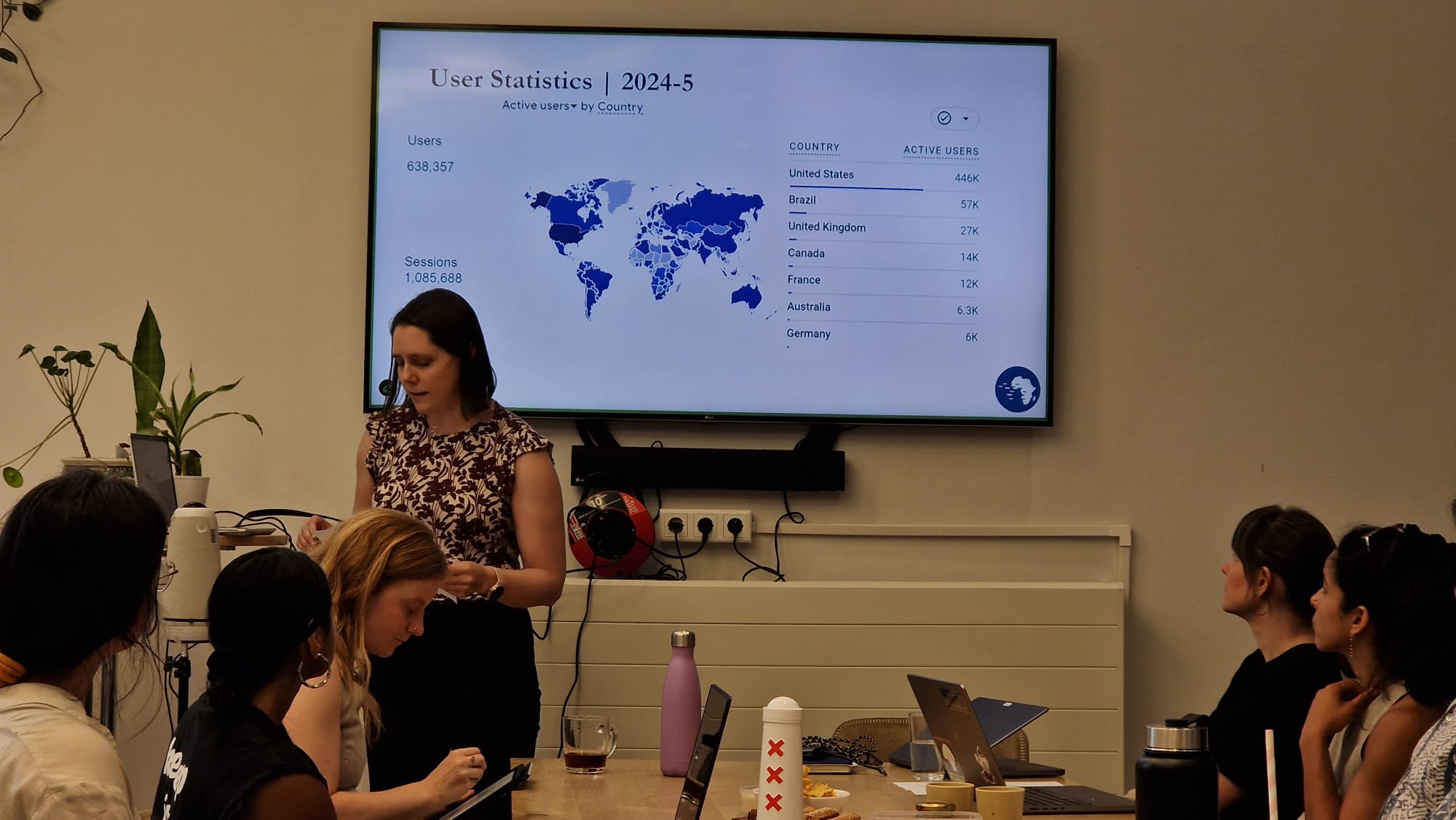
Mandy and Jane presenting
It was really great to see how these presentations spoke to one another on this tension of inclusivity versus sensitivity – a tension already identified during our kick-off meeting – coming from different disciplines, traditions and with different ambitions. We are grateful to Jane, Lotte, and Mandy for taking the time to prepare and present their work – and to Britt for chairing the Q&A afterwards. And thank you to all who listened in, your attention and questions made this a great afternoon.
13 May: Combatting Bias Workshop
Our workshop was a space to reflect on the work we had done up until that point and an opportunity to think ahead. Our ambition was to make the workshop:
- interactive, so that the expertise and energy of our collaborators could be used to the greatest extent;
- reflective and open, so everyone felt comfortable making contributions and all would be heard.
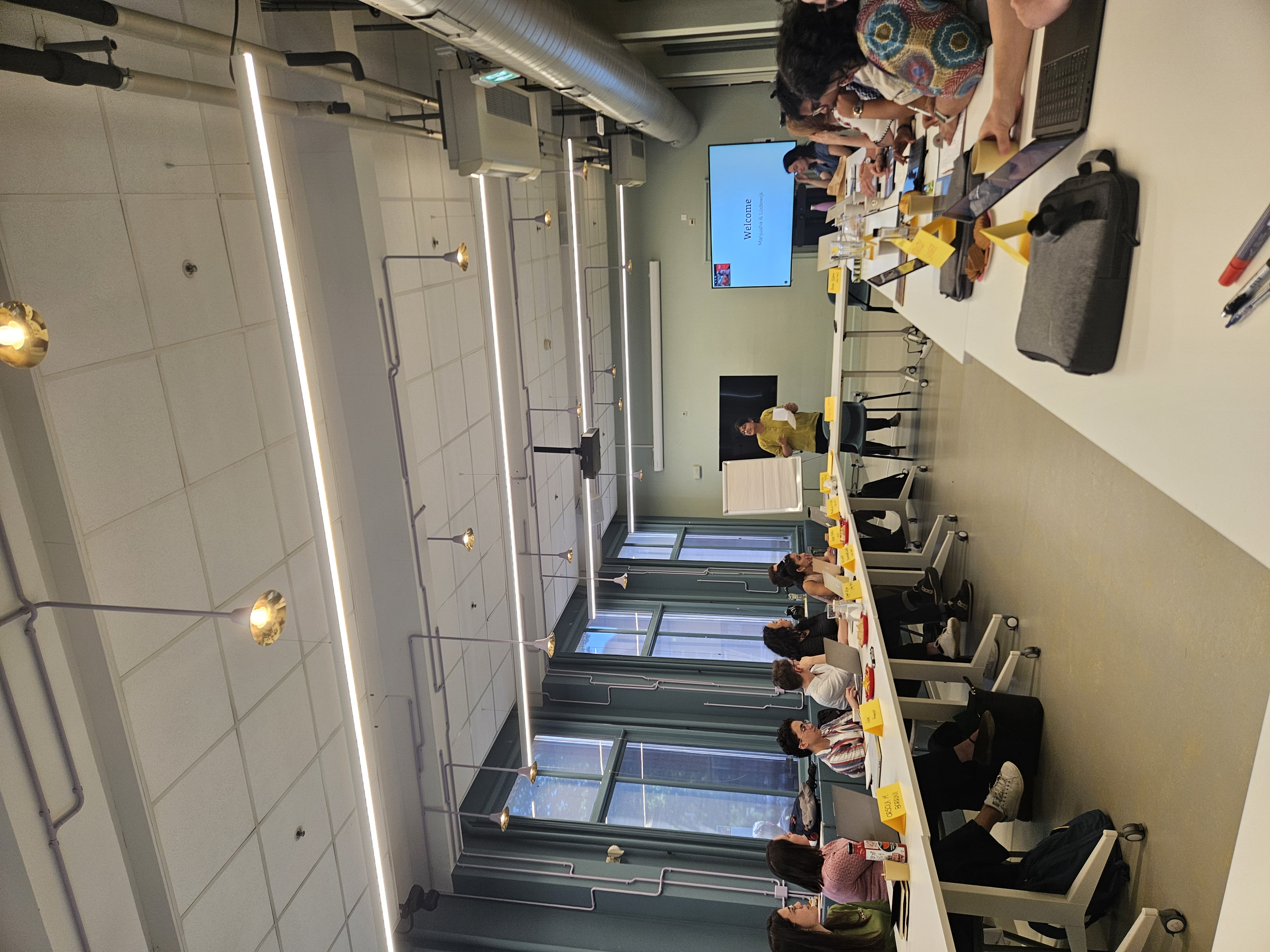
Manjusha opening the workshop
The interactivity came in the form of two activities to which we allocated most of the workshop time to. The first activity was ‘Mindmapping with Magazines’, where the main question was ‘What is bias?’. By looking at magazines, we created collages of images and words connected to the concept of bias. The second activity moved from conceptual thinking about bias to practical application of bias, where each group recommended good-better-best practices for dealing with different types of biases.
In the spirit of reflexivity and openness, and inspired by Mandy’s presentation the day before, we started the workshop off by positioning ourselves in the space we were in: the Bushuis, a colonial building that served as one of the main strongholds of the VOC in Amsterdam. With this historical backdrop of exploitative power and violence, the discussions from both activities interacted directly with this. Power is central to bias, acting on multiple levels: political, legal, social, and economical.
Bias can, and is often, used normatively, for example through the passing of certain laws. Apartheid was mentioned as an example of when hegemonic biases were legalised and made normative. Moreover, economic power dictates whose emotions and perspectives are represented, as some are more economically ‘valuable’ under certain political, legal and social frameworks (where biases are made normative) than others. As research needs funding to survive, these economic frameworks continue to control what perspectives are given attention, at the expense of others.
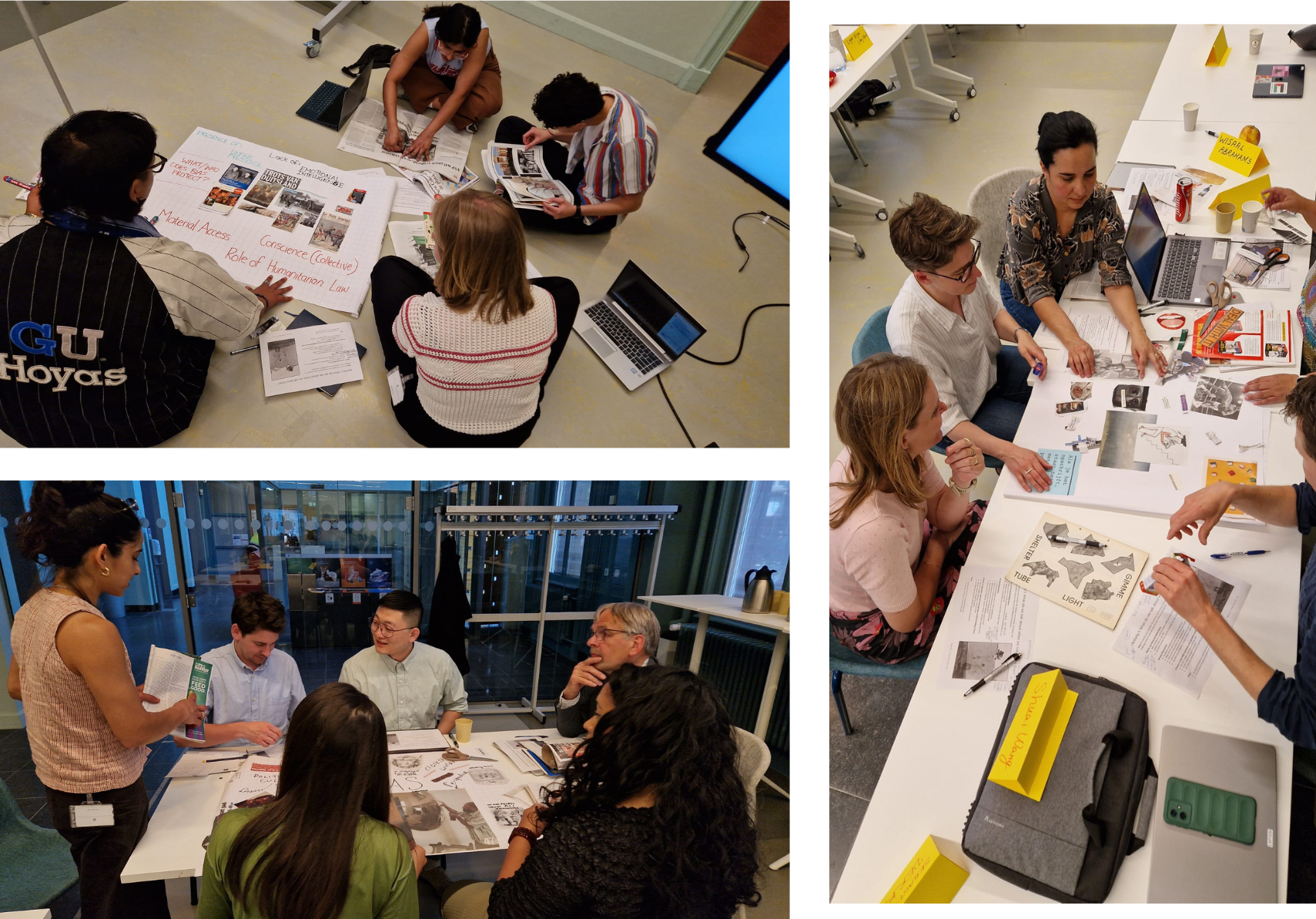
Groups creating their bias mindmaps
Tying into this, ownership was also a concept that kept coming back. In line with the CARE principles, there is the necessity to transfer ownership to community groups whose data it originally is. This is a way to lessen harmful impacts of bias, as there is active involvement through ownership and management from affected communities. But for this to happen, a lack of attachment to ownership from current dominant powers is necessary. This would require a change in economic structures (i.e. funding requirements), as it’s often impossible to sustain research if ownership of outputs is not secured.
When working on the good-better-best framework, groups struggled with finding the socially responsible ‘bare minimum’. The difficulty lay in finding a balance between feasibility (within current power structures) and utopia (where biases produce no harmful impact to community groups). Is it right that we settle for anything less than ‘best’? Yet, there are certainly actions to undertake as a ‘good first step’, mostly concerning discussions among your team and documentation – this awareness and transparency builds a way to understand the context in which decisions were made. Remaining in ‘uncritical obliviousness’, as someone put it nicely, obscures much knowledge and is not an option in good research.
This awareness and transparency is extra important, because dealing with bias is always an unfinished business. Standards of bias change as culture and people, its longevity and intergenerational impact needs to constantly be reflected upon. It remains important and necessary to deal with harmful bias, as not dealing with it ‘breeds mediocrity’, as came up in one of our discussions. We are therefore developing guidelines – not a set of normative rules on how to deal with bias, but instead a set of reflective questions and recommendations. These can be widely used in different (humanities) projects and remain relevant over time.
We will be thinking further about these points and integrate them into our research moving forward.
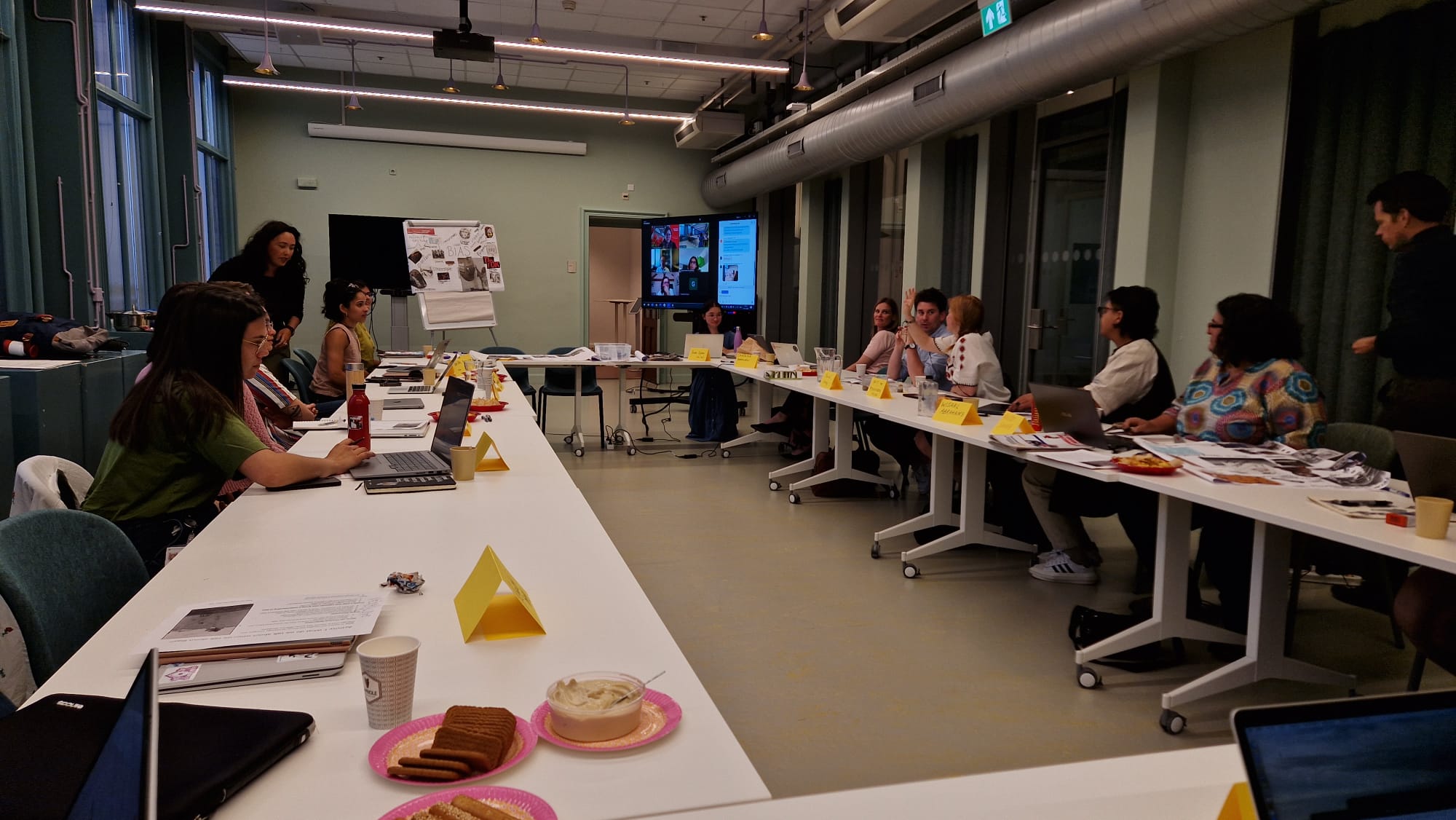
Rounding our reflection off, we’d like to share some final highlights:
-
Diversity of participants, on three levels:
- Career stage: there were early-career researchers to professors and/or professionals with many years of experience.
- Expertise: the backgrounds and expertise of the participants ranged from community practitioners to critical archival theorists.
- Geography: where our participants were based ranged from the Netherlands to South Africa to the USA.
-
Success of the Combatting Bias network. It was great to see people chatting to each other after the panel presentations and during the workshop. They were finding communal interests and created new partnerships among themselves.
-
Post-workshop dinner. The dinner perhaps best encapsulates the atmosphere at the workshop: community. As we shared dishes, we shared stories - stories and laughter flowed effortlessly with the food. The restaurant and the workshop space were both places where we could openly and freely speak to one another.
We’d like to thank all participants for attending – we’re very impressed and grateful for the energy all of them put into engaging with the activities.
Angelica, Britt, Caroline, Charles, Coen, Filipa, Isabel, Jane, Layan, Mandy, Matthias, Natascha, Nicole, Orsola, Pascal, Rupsa, Shuai, Stevie and Wisaal.
A big thanks to Renate and Dung for supporting us and taking notes; colleagues from Globalise for helping us source magazines; Hans for providing us with all the tools we needed for hosting a hybrid presentation panel; and Leon for his access card to the workshop room (which we kept safe and didn’t lose at all)! Lastly, thanks to the TDCC-SSH and NWO for funding Combatting Bias and making these events possible.